When I was younger, mine and my friends’ Facebook statuses looked a little something like this:
OMG, had a gr8888888 day @ skl 2day !!! wiv all my BFFLS :L ly<3 (y)
And I know this… because fb likes to kindly remind me of what I was posting 7 years ago today (who let me go on fb at that age?)
Years later, I wouldn’t be seen dead writing a fb status, do you know how embarrassing that is? Not only have times changed in terms of what I would and wouldn’t post online (for safety and dignity reasons), but the style of language that’s used on the internet now too.
That codey language, with all the numbers and stuff, is referred to as Netspeak. These days Netspeak seems more effort than it’s worth and it’s probably more efficient to type normally, with a few abbreviations ofc, without having to code-switch all the time between it and standard English.
Here’s some examples of Netspeak I found on languagelearningbase.com, which really brought back some memories. 11 year old Esme’s personal faves were ‘G2G’ (often in a message to a friend on MSN when mum had just shouted dinner’s readdyyyy) and LOL, which I still like to use now! I was also a fan of ‘ILY’ or ‘LY’ and remember a phase where my friends and I put it in pretty much every Facebook status or message. Cute.
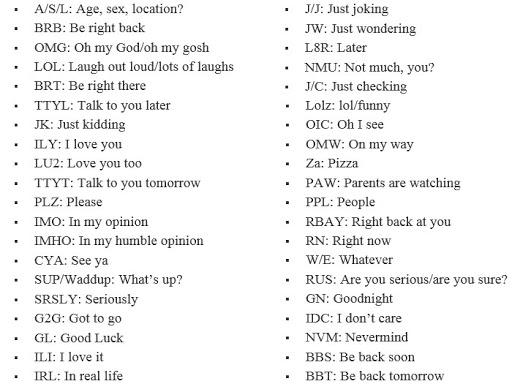
Can’t say I’ve ever used ‘Za’ to mean pizza but I reckon the others would nearly all appear if I looked through some of my old chat logs.
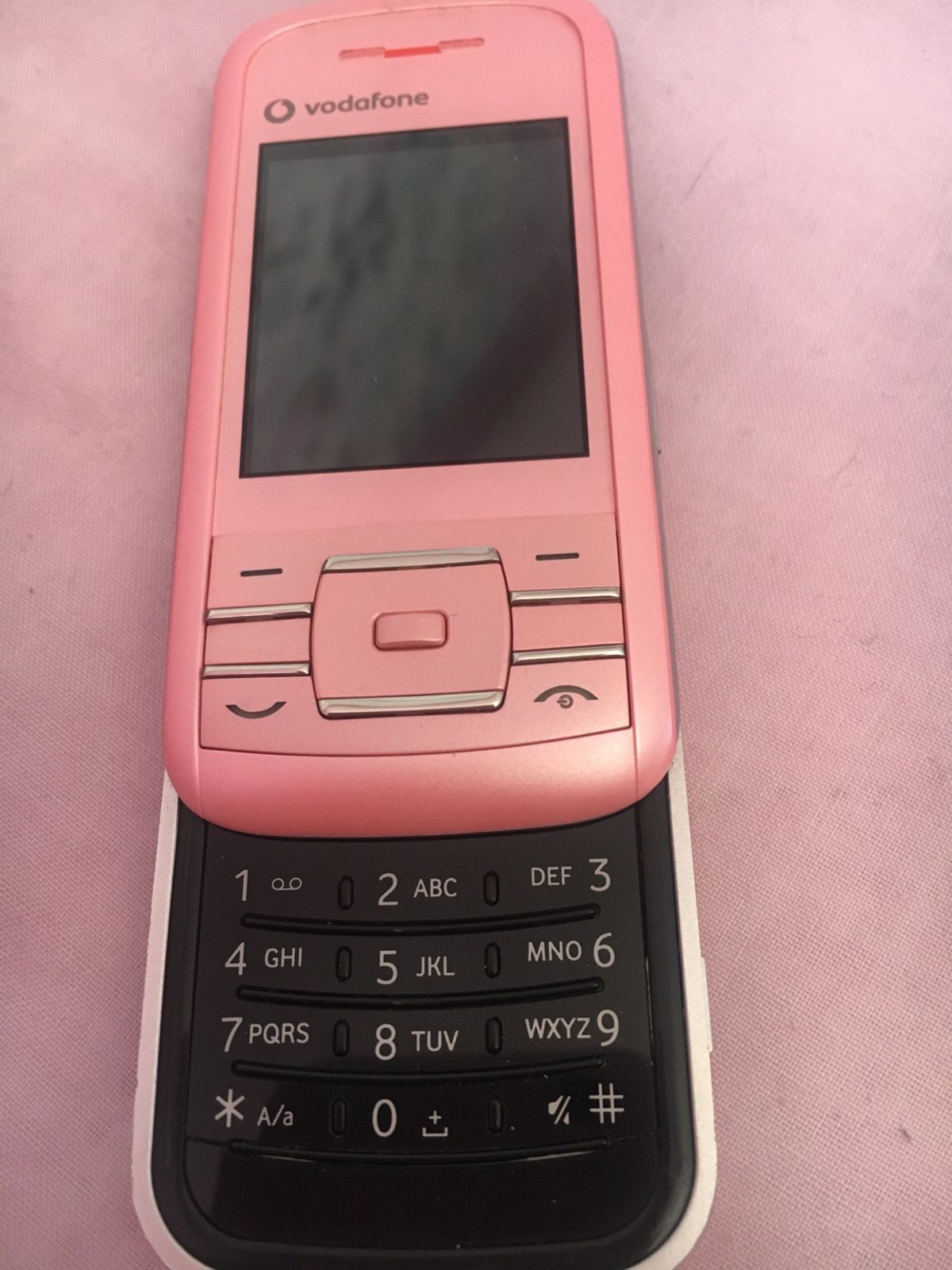
Using this code language made sense at the time when everyone had flippy phones and had to press a button 3 times to get the right letter, as it meant less time was wasted. It was also just pretty cool if you spoke like this 😎
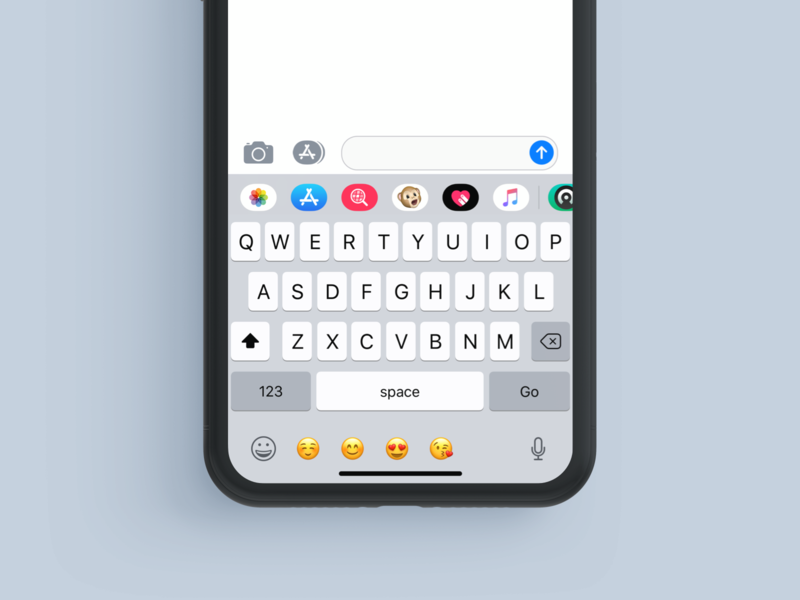
Now though, everyone has smartphones with touchscreen qwerty keyboards meaning one min we’re writing formal emails at our desk and the next we’re Snapchatting our friends from the loo. Much more practical if you ask me.
Language on the internet now is way more standard than before. It seems obvious to point out, but it’s also more developed in the way that we can use actual emojis 😲 rather than brackets, dashes and colons! :-0
Internet language of today revolves around a modern culture rooting from memes and apps like Twitter. People often dot in words here and there that come from memes, or for some reason have become used worldwide. Using these usually means you’re pretty up to date with the current on trend internet phrases and language. Congratulations!
Most of us don’t even realise we are using them and they just become part of daily vocab e.g…
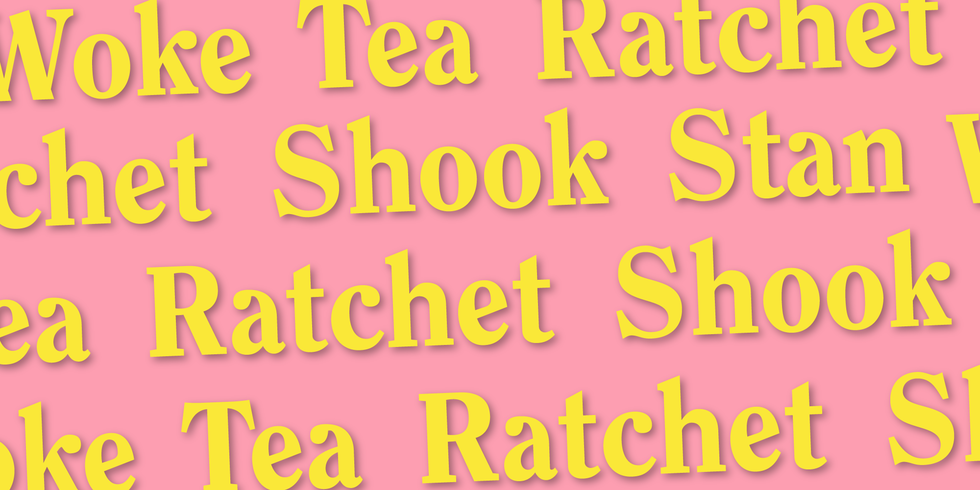
The use of Gifs also encourage the viral spread of certain phrases which often become adopted by many users of the internet, almost like an inside joke (but not that inside, because the internet is bloody massive).
I’ve seen conversations and arguments on Twitter occur only using Gifs, in a battle of who can find the most appropriate and witty one. These threads can be funny to read and also easy to take part in, as you can send one within the click of the finger without having to even type anything – all the hard work’s done for you.
Reflecting on all of this, I think the main thing that has changed in my language use on the internet over time is typing in a more standard way and no longer using code language (thankfully!). Like everyone else, thanks to technology updates I’m also use way more emojis and Gifs now too which personally I find really useful, especially if I can’t find the words or energy for a normal reply. I wonder in 10 years time what the language of the internet will look like…
How do you guys think your own language use online has changed over the years? Feel free to carry on the discussion below.
 Language💬, New Media📲 and Esme's Experience👩🏼🎓
5 replies on “The Language Of The Internet”
I’m so glad the days of awful Facebook statuses have gone as well, I purposely deleted my old account in order to hide how mortifying I used to be!
I find it funny how language online developed into more simple abbreviations and then back to a more standard form and loved the stance that you took on that regarding it being down to the development of technology.
Now we can just use the dictate settings on phones as well so we don’t even need to type! I wonder how long it will be until we just have to think a message and then be able to send that to someone else?
LikeLike
I feel like the era of awful Facebook statuses was a time that our generation can now all look back on and cringe at together. Last summer I cleansed all the codified thoughts that my-13-year old self had, took me ages. I did it not only for the sake of my dignity but also because I know that employers now will look through the socials of potential employees and I don’t want to come off as a spack. As I’ve gotten older, I’ve become more conscious of what I post on social media and I wonder whether that’s due to me maturing with age (unlikely) or whether the way we use social media has evolved (more likely).
LikeLike
I’m certainly glad that I rid my social media of 13-year-old Niamh’s horrendously illegible Netspeak years ago, but there are definitely still coded abbreviations that I still can’t shake from my idiolect. What I find interesting is the shifting meaning of these signifiers over time.
An example of this is my personal use, influenced by the wider use of the term by the people I interact with online, of ‘lol’. Five years ago, it would have meant: “I found this funny”. Now, when I use ‘lol’, it usually means: “I am annoyed/upset by this”, or “this is so bad that it’s laughable”. Gone are the days where I lol at a cat meme, but I will always lol at a boy not messaging me back, or getting a bad grade on an assignment.
Finally, though research such as Aziz et al’s 2013 study has shown that there isn’t a significant presence of netspeak in children’s school assignments, I have found myself physically writing it (archaic, I know!) in my diary, as there’s no other way I know of to express my discontent in a light-hearted manner. Hopefully, ‘lol’ won’t end up in my dissertation, don’t fancy explaining that one to my supervisor. 😂
LikeLike
I completely agree with your points here! I know if I looked back on old statuses/ posts I too would be cringed out. I think that this ‘Netspeak’ that used to be the way everyone would talk online, was mainly due to the difference in texting – 7 years ago, most of us had to pay for each text, and each text had limited characters. This is the reason for many abbreviations like ‘gr8’ and ‘ttyl’, so that you could fit it all in. When the internet was still fairly new, it was likely to be ‘trendy’ to know the text talk, hence it popping up on Facebook everywhere. As times gone on, it’s got more trendy to speak in full sentences, so language online is beginning to resemble standard written language more and more.
LikeLike
This brought back so many embarrassing flashbacks of all the abbreviations I used to use when I was younger. I’m so glad that it’s a thing of the past, I couldn’t imagine if that was still the way I communicated with my friends. It’s funny when I read your example Facebook Status, I knew completely what it meant hahaha and I am sure I have tons like them. I agree with Maisie Mcgovern’s comment as well, when we were younger we had to pay for each individual text so I guess it did force us to heavily use abbreviations (maybe also because we thought it was ‘cool’). Nowadays, I have seen people outwardly criticise others for not writing in standard English as they regard it ‘childish’ to speak in an improper way. Obviously, Netspeak still exists but I think the use of it has definitely died down a bit. My most used abbreviations now are: ‘Lol’, ‘Omg’ and ‘Ily’.
LikeLike