Categories
New media

My First Ever Blog Post

To start off my first blog post it seems a good idea to talk about something we explored in lecture only yesterday…

Multilingualism online

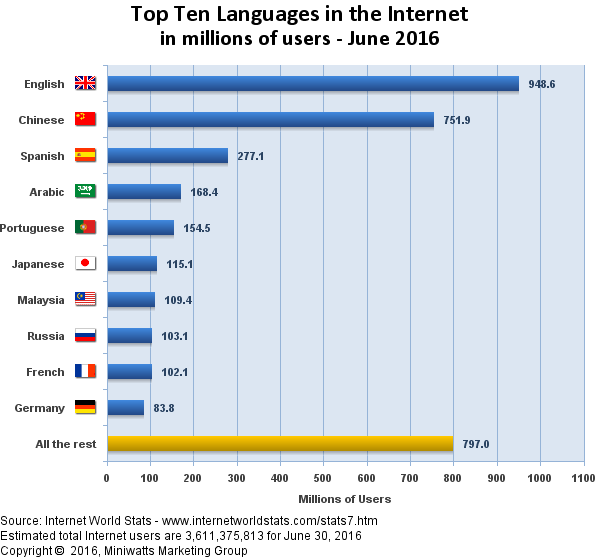
We were told that back in 1998, more than 80% of the internet’s content was written in English. I thought this was astonishing, although not as astonishing as the fact that by 2012 this figure had already dropped to 55%!

It seemed the rest of the world was catching up quickly, although the presence of English on the internet has remained high, and at this rate probs always will. Followed by Chinese, it is the most used language online by far.

At first, I thought perhaps this was due to Brits, Aussies and Americans spending all their time on Facebook, filling the internet with useless status updates. Although other justifications for the high percentage of English became clear to me.

One of them being that English is a Lingua Franca. In other words, it is a common language that speakers from all over the world can use to communicate. A lot of info online is in English which allows people from all over the world, who speak this Lingua Franca, to access it.

It didn’t even cross my mind that speakers of a minority language, in which the search results may provide minimal information, may actuallygoogle-search in English for a higher quality of answers.

Because of its high internet presence and overall world dominance, some people may think English is a killer language. Call me biased, but the number of languages spoken in the world was declining before the internet was introduced and English was plastered all over it.

In some ways, the internet encourages multilingualism and has potential to support languages that are becoming extinct, bringing speakers of these languages together and educating others. From my own experience, I have used the internet to help my own language learning of German and Italian.

It seems amazing to me that there is one space where people from hundreds of countries can access, communicate on and learn from. Almost the whole world at our fingertips. It’s almost impossible to imagine a life without the internet now.

Categories
New media

Online Like Never Before

Due to our current situation regarding Coronavirus *Cardi B voice* (as if you haven’t heard about it enough, sorry!), the online community has gained a whole new feeling and meaning.

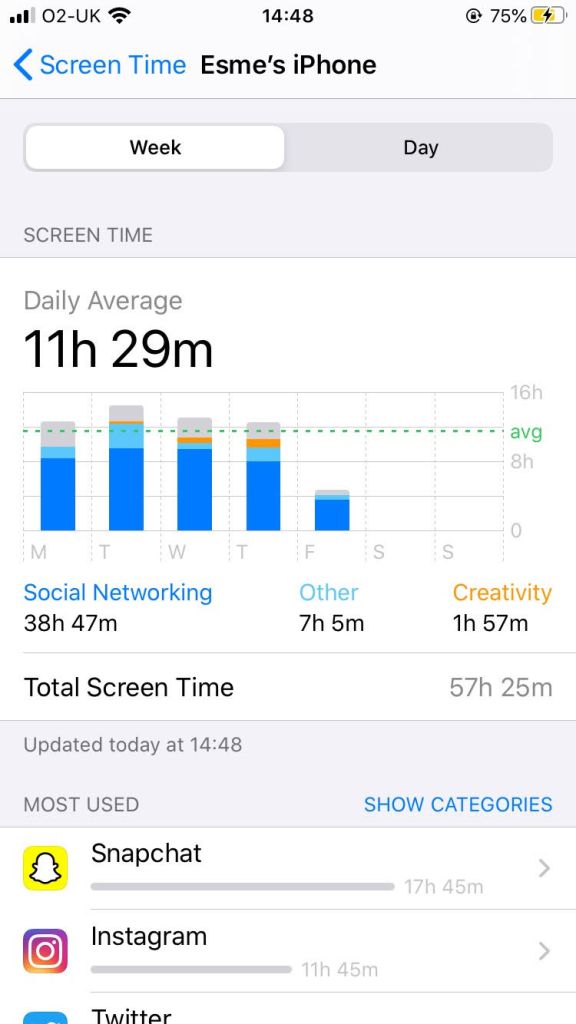
Since we are all basically grounded now for the foreseeable, it is not a surprise that we are all glued to our phones and computers more than ever before. My phone let me know how much my screen time has gone up in the last week and, well, I was disgusted. Just look how much I’ve used Snapchat alone…

My craaazy overuse of social media is down to the fact we’ve suddenly been told to make our own entertainment without stepping outside. Basically every teenage boy’s dream😂. Across the nation, people are online and chatting from the moment they wake up to the moment they go to sleep. And I’m included. I mean, as an English student you would probably think I’d choose to read a book or something…rather than spend literally the whole day on my phone, but this is the 21st century darling! 😉

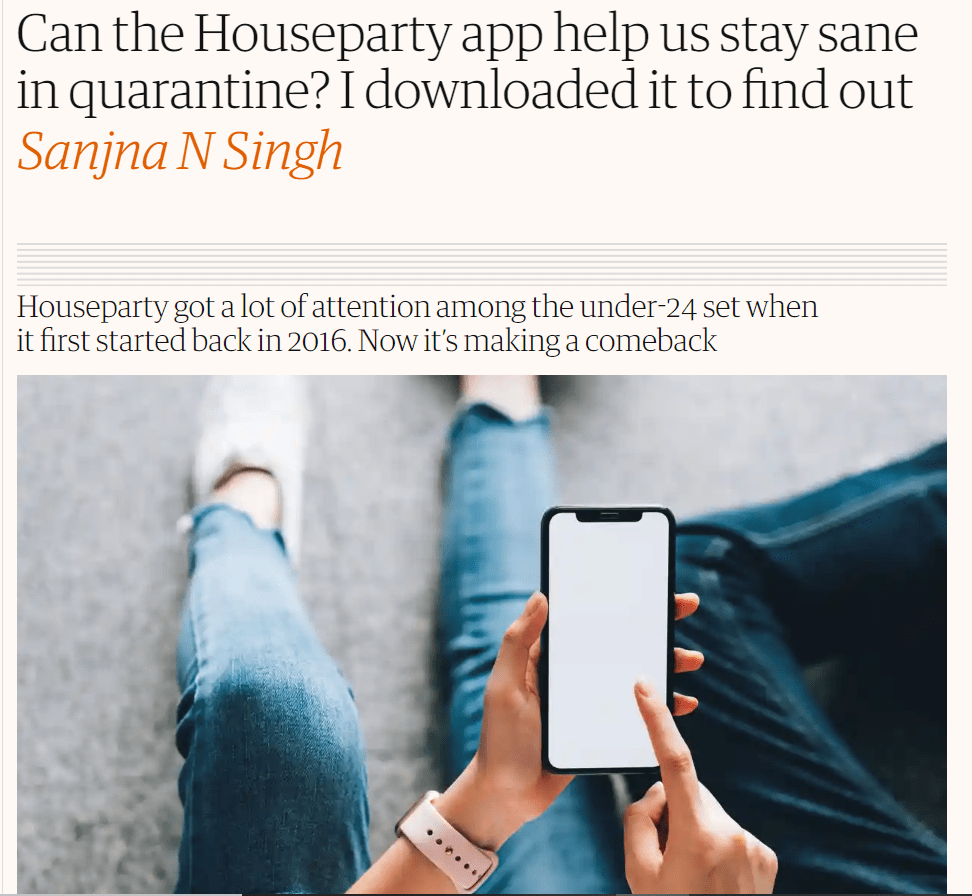
Apps such as Houseparty have made a huge comeback and are playing a big role in online communication right now. I did some browsing on what other people are saying about Houseparty and this is one of the many articles that came up about the app.

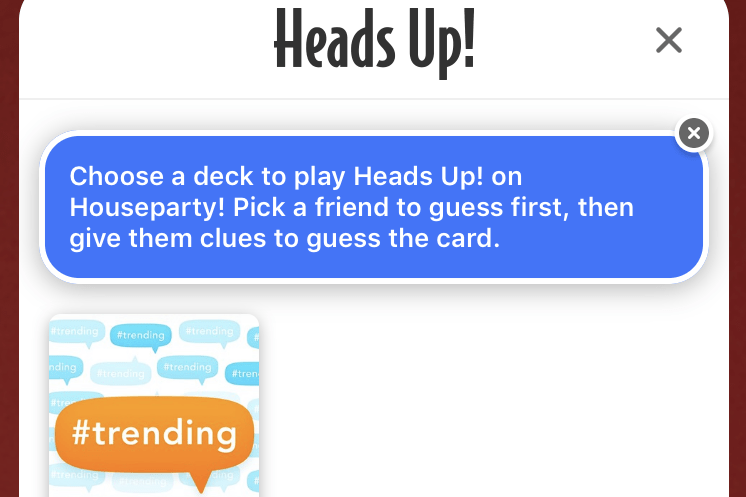
The article explains how Houseparty is helping to keep spirits high during this lonely time, and allows friends and family across the world to communicate in a similar way to Facetime, but in a bigger group. It also highlights that of course it is no way near as good as seeing friends in person, but it is a pretty good alternative for now and a great way to still have a bev or too with your mates on the weekend 🍺. Which as a nation, we all know is high in the priority list. There are loads of games you can play together too, such as ‘Heads Up’ or ‘Guess the Song Lyrics.’

So now that we’re all bored shitless, housebound and only have uni assignments to pass the time, at least Houseparty is one thing we can actually do with our mates.

In these confusing and unsettling times, nothing like any of us have ever experienced before, I feel very grateful every day that I am able to contact pretty much anyone I know via the internet or phone. It puts me at ease knowing I can check that my loved ones are okay, or even just playing them at a crappy game of online pool.

Hours of random Youtube videos and Instagram scrolling have also filled up a few of my days although it is starting to wear thin, and I’m actually getting headaches from staring at my screen for so long. No good when there isn’t any paracetamol in the shops! 😐 It seems I’m not the only one spending all my time online though. In some ways it helps everything feel a bit more normal, whether it’s just having a chat with friends or watching something good on Netflix, just to try and forget the craziness that is our lives right now.

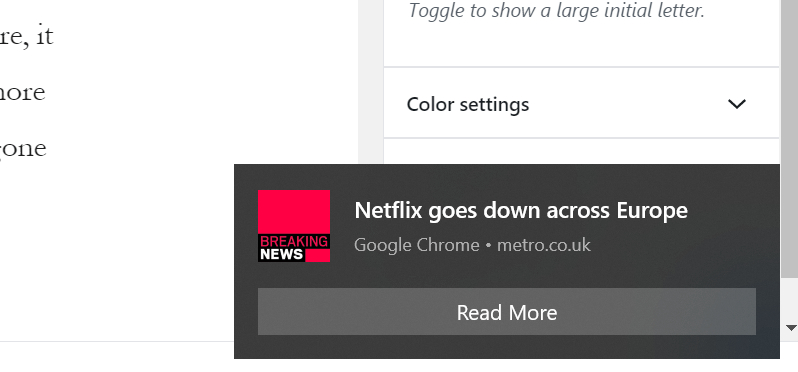
As I’m writing this I’ve just received a notification about some serious news…Netflix is down! We’ve broken the internet guys.

All jokes aside, I think it’s important in these times to value what we still have and the positives of the situation. I don’t know about you but I’ve had more time on my hands to connect with family members and have a nice long chat that I would usually be too busy for. I’ve also found myself chatting to people from school who I haven’t heard from in years. There is a real sense of community online and I think without it right now I would be struggling a lot more. Thank God for the internet!

Let me know in the discussion below if you feel that being online has been comforting for you during these times, and what you think it would be like if we didn’t have this luxury?

Categories
New media

The Language Of The Internet

When I was younger, mine and my friends’ Facebook statuses looked a little something like this:

OMG, had a gr8888888 day @ skl 2day !!! wiv all my BFFLS :L ly<3 (y)

And I know this… because fb likes to kindly remind me of what I was posting 7 years ago today (who let me go on fb at that age?)

Years later, I wouldn’t be seen dead writing a fb status, do you know how embarrassing that is? Not only have times changed in terms of what I would and wouldn’t post online (for safety and dignity reasons), but the style of language that’s used on the internet now too.

That codey language, with all the numbers and stuff, is referred to as Netspeak. These days Netspeak seems more effort than it’s worth and it’s probably more efficient to type normally, with a few abbreviations ofc, without having to code-switch all the time between it and standard English.

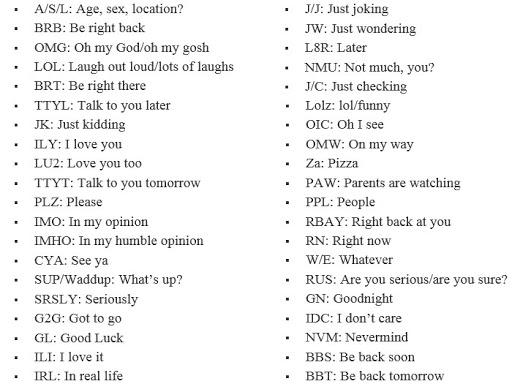
Here’s some examples of Netspeak I found on languagelearningbase.com, which really brought back some memories. 11 year old Esme’s personal faves were ‘G2G’ (often in a message to a friend on MSN when mum had just shouted dinner’s readdyyyy) and LOL, which I still like to use now! I was also a fan of ‘ILY’ or ‘LY’ and remember a phase where my friends and I put it in pretty much every Facebook status or message. Cute.

Can’t say I’ve ever used ‘Za’ to mean pizza but I reckon the others would nearly all appear if I looked through some of my old chat logs.

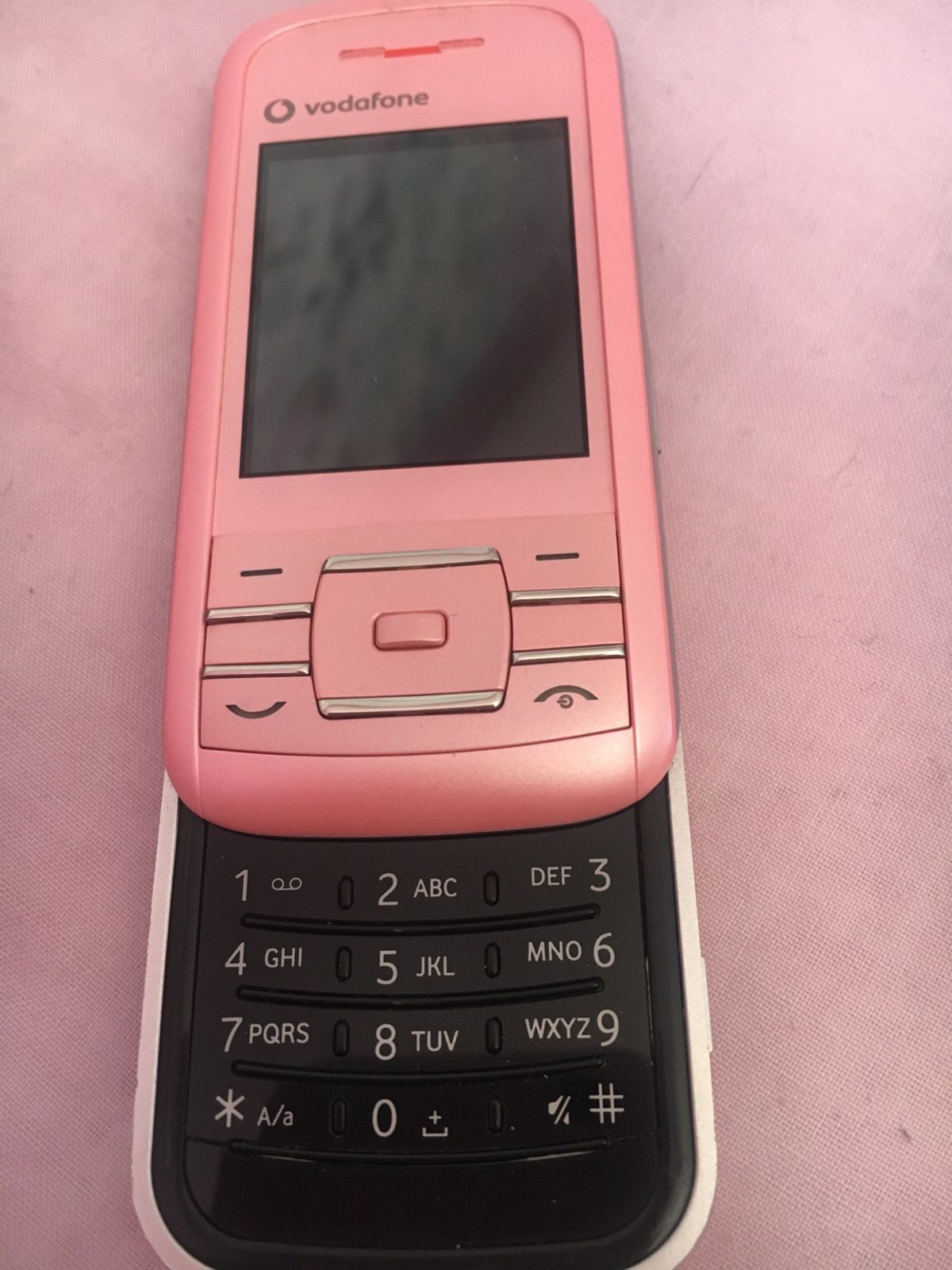
Using this code language made sense at the time when everyone had flippy phones and had to press a button 3 times to get the right letter, as it meant less time was wasted. It was also just pretty cool if you spoke like this 😎

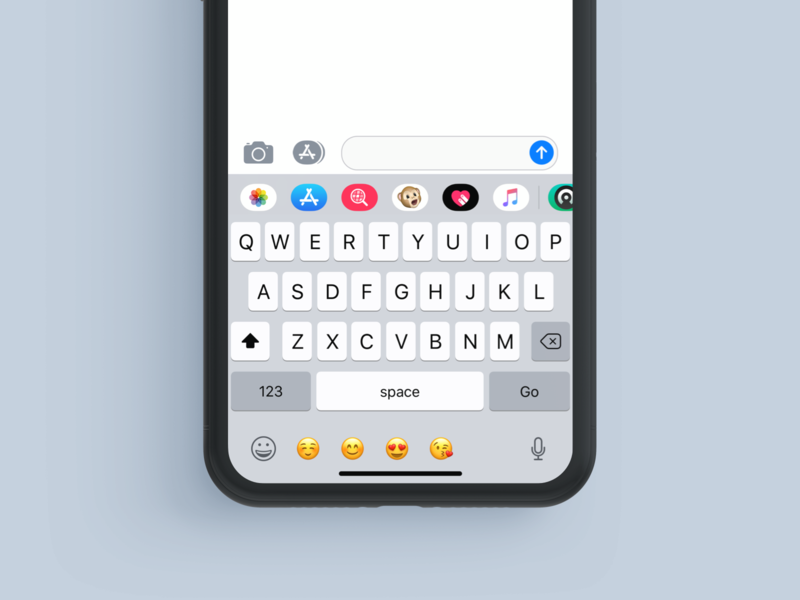
Now though, everyone has smartphones with touchscreen qwerty keyboards meaning one min we’re writing formal emails at our desk and the next we’re Snapchatting our friends from the loo. Much more practical if you ask me.

Language on the internet now is way more standard than before. It seems obvious to point out, but it’s also more developed in the way that we can use actual emojis 😲 rather than brackets, dashes and colons! :-0

Internet language of today revolves around a modern culture rooting from memes and apps like Twitter. People often dot in words here and there that come from memes, or for some reason have become used worldwide. Using these usually means you’re pretty up to date with the current on trend internet phrases and language. Congratulations!

Most of us don’t even realise we are using them and they just become part of daily vocab e.g…

The use of Gifs also encourage the viral spread of certain phrases which often become adopted by many users of the internet, almost like an inside joke (but not that inside, because the internet is bloody massive).

I’ve seen conversations and arguments on Twitter occur only using Gifs, in a battle of who can find the most appropriate and witty one. These threads can be funny to read and also easy to take part in, as you can send one within the click of the finger without having to even type anything – all the hard work’s done for you.

Reflecting on all of this, I think the main thing that has changed in my language use on the internet over time is typing in a more standard way and no longer using code language (thankfully!). Like everyone else, thanks to technology updates I’m also use way more emojis and Gifs now too which personally I find really useful, especially if I can’t find the words or energy for a normal reply. I wonder in 10 years time what the language of the internet will look like…

How do you guys think your own language use online has changed over the years? Feel free to carry on the discussion below.

Categories
New media

TikTok Teens

Similar to past phenomenons such as Dubsmash and Vine (rip), TikTok has recently blown up as the must-have app, especially within the younger community.

Users create and watch a wide-range of short videos made solely for entertainment, whether it be lip-syncing, trending dance routines, viral challenges or lifestyle tutorials.

Here’s Gordon Ramsay and his daughter for example, doing one of the dance challenges 😂

@tillyramsay

Getting better by the day @gordonramsayofficial #fyp 🤣🤣

♬ Say So – Doja Cat

Over 1.5 billion people have downloaded this app and it’s available in 154 countries, making it an another app that people can connect on from all over the world.

I’d say the main users are around 12-17, and as a 19 year old I have to admit it does feel weird to use an app and feel slightly lost. I still haven’t worked out how to use it properly. When you think about it, my generation has always been in the thick of it, no matter what the new technology or media is at the time. But with TikTok it’s just not the same. It’s not second nature to me like Facebook, Instagram and Snapchat were when I was younger… maybe I’m getting old. Is this what it feels like to be my mum who still uses one finger to type and is amazed by checking in on Facebook?

Although I do find some TikToks pretty funny and it’s alright to scroll through them in bed when I’m bored, I can’t imagine using TikTok more than other platforms like Insta or Snapchat. I’m not really sure I see the appeal of being TikTok famous either, but each to their own!

Maybe, if I was still in school, I’d feel more of a connection to the app as more of my friends would be constantly talking about it and sharing videos. Then I’d probs feel the need to be more involved and like the app more. Saying that, in some ways I’m actually glad that I don’t have any real TikTok commitments, it looks like a lot of effort to me🤣

A 15 sec dance video can take hours to learn, trust me, I’ve tried! That might just be my problem having 2 left feet though, even Gordon did better than I could. For now, I’ll take a backseat in making any myself, but that doesn’t mean I won’t watch them every time one pops up on my Twitter feed. Here’s some relevant ones that popped up yesterday:

Carry on the discussion below whether or not you feel the same way, is TikTok a generation thing? Do you use it yourself? Or what is your fav TikTok? 😎

**EDIT** 06/04/20

Hey guys,

With everything going on in the world and us now being in ‘lockdown’ compared to when I wrote this, I’ve actually had a change of heart so I thought I’d do you an update. I can’t stop TikToking!!! I’ve had all the time in the world to try and entertain myself and found myself using the app way more than before. Everyone I know seems to be doing the same too. Whenever I go onto Instagram or Snapchat, one of my friends seems to have posted a new TikTok video, usually a dancing one. I actually understand how to use it now too which is a bonus. I guess maybe it wasn’t an age thing after all, maybe it was a not having enough free time thing? Or maybe I’ve just started using it as a last resort… who knows, but it’s been quite fun and I wonder how many of you reading this have been using TikTok way more now too? P.s Gordon is still a better dancer than me but I’m trying! Hope everyone is well and staying safe 😊

Categories
New media

Living in a Bubble ☁

Something that I hadn’t properly thought about til this week is that when I read a google page, it reads me back. With the help of some clever algorithms that I’m not sure I’ll ever really understand, websites are able to collect data about us and work out our every interest, and then tailor our search results based on them (scary, I know).

Companies use our data to sell to other companies to help them with advertising. Ever wondered how your Facebook ads always know exactly which Nike trainers to tempt you with, the ones you were looking at on footlocker.com only yesterday?

This basically means that in practice… my search results should be mildly different to yours depending on our background, political views and hobbies etc. Our search results are tailored to us and our own little world. What we put into google, it feeds us back.

It gets weirder the more you think about it! So for example, if I felt positively about the conservative party, then my top search results for ‘Boris Johnson’ would be positive news headlines, providing me with only good (and sometimes fake!) news. However, results about BoJo for a Labour party voter may come up different, showing him as the bad guy.

I wanted to test this out first hand and see whether mine and my friends’ results really were different.

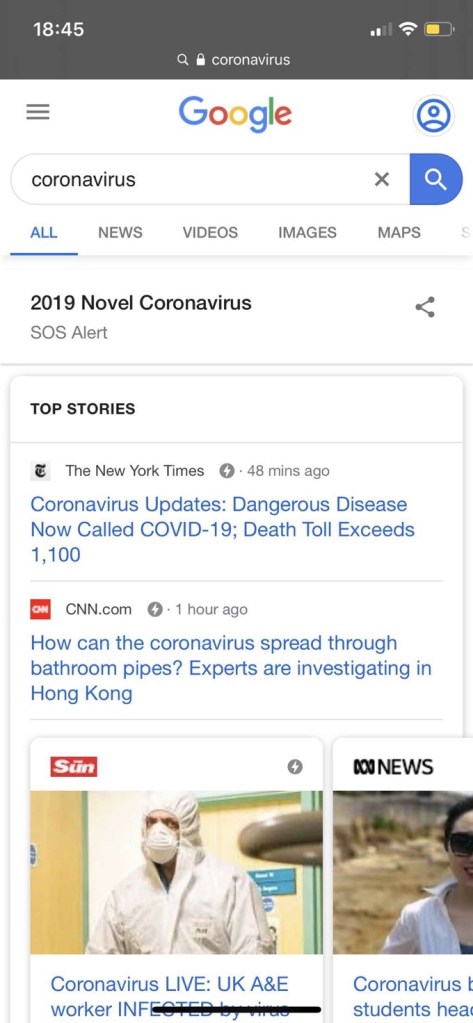
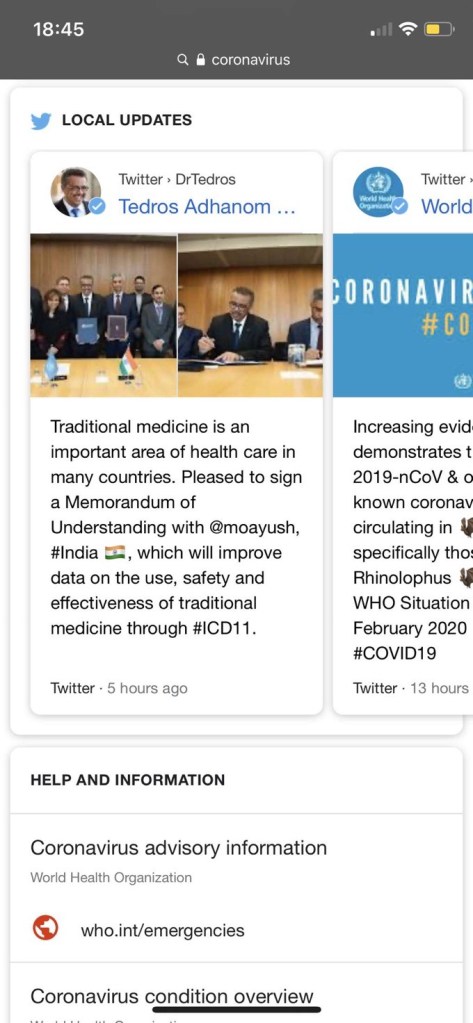
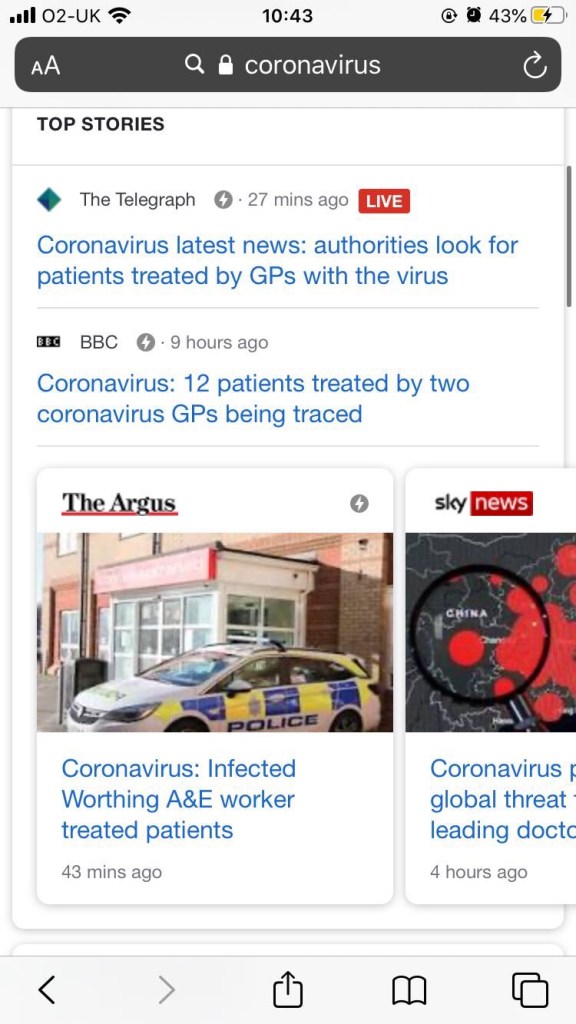
To start with I just searched the current news topic “corona-virus” and got my British friend, who has been living in Australia for over a year now, to do the same.

Here are her top results (searched in Perth, Australia):

And here are mine:

The main differences in our results seemed to be based on location. My friend’s results talked about corona-virus in Hong Kong and India, presumably because she is closer to those places than I, meaning they are more relevant to her and her bubble. My top results came from BBC news and The Telegraph, whilst hers were The New York Times and CNN.

Saying this, one of her results actually came from The Sun, perhaps as after all, she is British… and can we ever really escape The Sun’s shitty news articles?

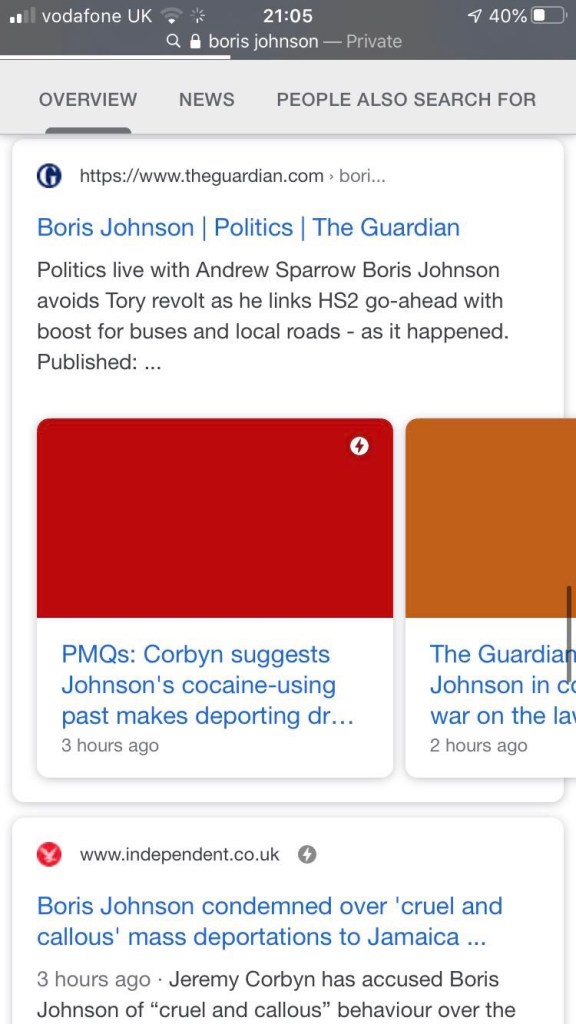
Whilst interesting, these results seemed to give me pretty obvious results mainly based on our location, which I sort of could have guessed would happen. As corona-virus a disease, something that can not have extreme opinions on, I wanted to look into more opinionated and political areas. This is something that was mentioned in the lecture and got me thinking. So, I went on to ask some of the people I live with to search the internet for ‘Boris Johnson’ so I could see whether our results would differ.

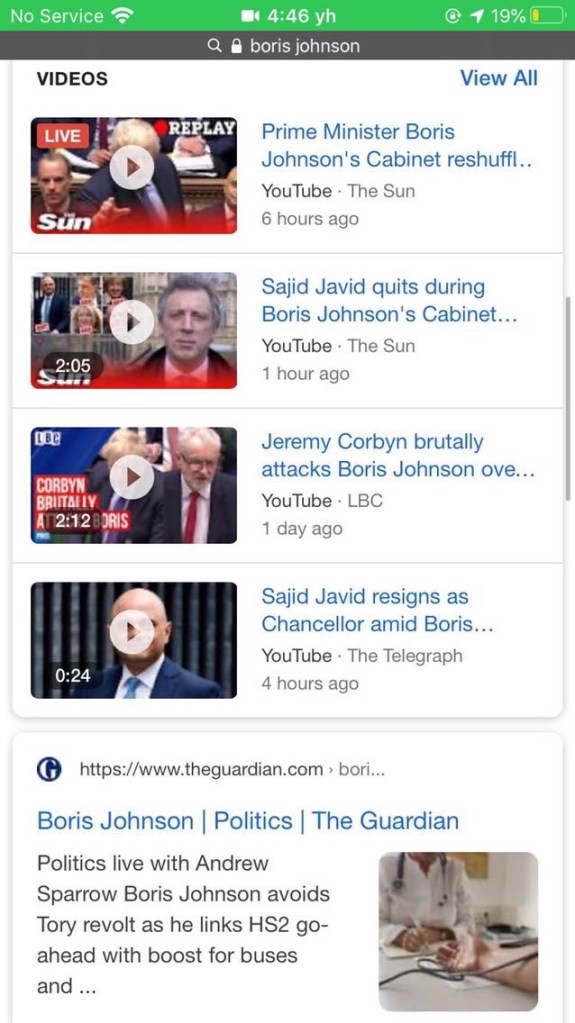
Here are results from some of our searches:

All of our top results came up slightly differently, whether this was in terms of the types of websites that came up or the order in which they were displayed and prioritised.

Top news articles mostly framed Boris in a negative light in terms of his recent actions, such as Corbyn attacking him over doing something wrong, and also his past, like taking cocaine. My friends and I have reasonably similar views, although it was interesting to see that our results did still all in fact come up differently in some way.

I didn’t actually consider though, that some of the people I asked to do this for me were using private browsing, probably something I should consider doing after learning all about this. This may have actually affected the results meaning they weren’t so tailored to individual bubbles, however it was an interesting to see anyway.

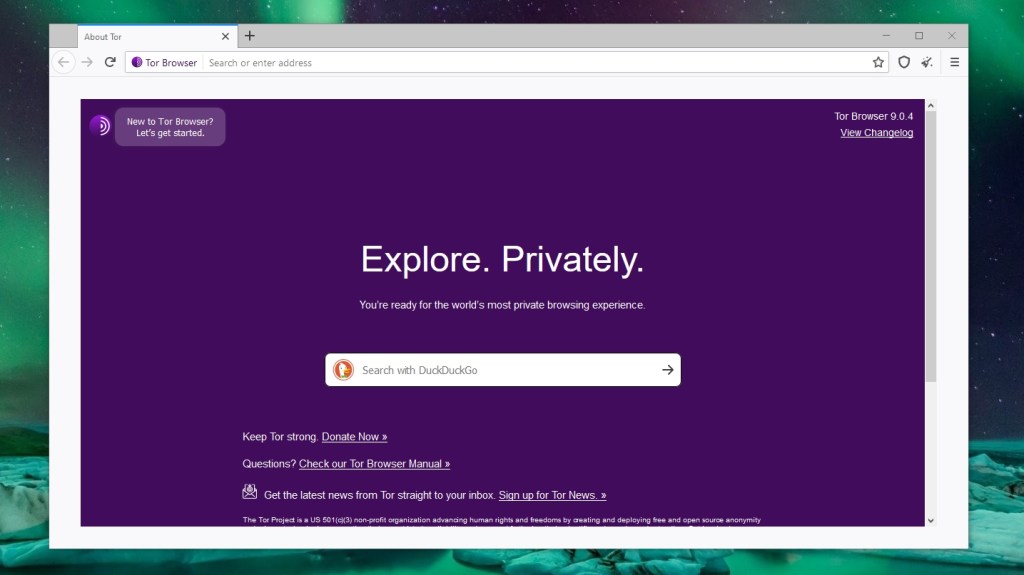
People like to take this one step further and use a VPN: a way of searching the internet without it knowing which country you’re in and who you are.

Using a VPN such as ‘tor browser’ makes the search results more neutral. It’s not surprising that so many people use VPN’s nowadays really, especially when the government seem to be tracking our every move even down to our google searches. I would be interested to see what my facebook ads would look like in the future if I started searching the internet only using a VPN.

Oh, and on top of all of this, it is also important to remember that not only are our searches related to us and our own bubble, but they are also filtered by authorities meaning that we are only seeing a small percentage of information. We don’t know the half of it!

Have I scared you yet? Carry on the discussion below on how you feel about the internet using and selling your data, and whether or not you might want to start using a VPN from now on..
Categories
New media

Smart Phones and Stupid Kids

This week we learnt about another interesting topic: all about digital media and the processing of information.

Nowadays, our phones process a lot of info for us that in the past would have been processed by our brains. Pretty clever right, but is this just making us lazy and stupid? Some people think the constant use of mobile phones instead of actually using our brains could be impacting young peoples’ futures (including mine and yours!).

One of the main ideas we focused on was how long term memory may be becoming less important as time goes on. This is because we have all our important memories, passwords and phone numbers with us at all times, all jammed into a small handheld device in our pockets. And if you wanted to be even more 21st century… you don’t even need to keep this stuff stored on your phone, you can shove it on iCloud or Dropbox.

This is the sort of stuff that really confuses my Nana and Grandad, who of course have a phone number and address book kept safely in the dining room cupboard, and would probably keel over at the idea of a ‘shared online data centre’ that we can’t see or touch, or just the cloud to me and you.

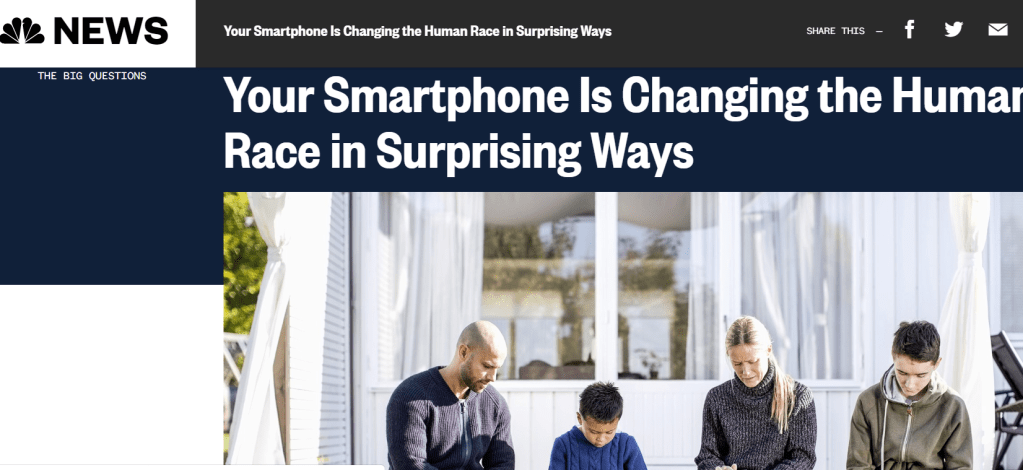
I searched around for some more info on how our phones process information for us, using my phone of course, and stumbled across an article by nbcnews.com:

One of the opinions, by Turkle, was that “we need to reclaim face-to-face conversation” as he claimed that having less of a relationship with technology allows us to focus on real life communication. This was following a study that showed children who went to an outdoor camp, and were banished from phones or laptops (is this 1950?🥴), were more able to read people’s emotions and expressions afterwards than kids who did not attend the camp…

This made me reflect on my own experiences and wonder how different I would be if I used my phone less and my brain more, would I be more observant? More caring? More clever? Maybe. Not that anyone would notice as they would be looking down at their phones anyway…

Why use my brain when my phone can do it for me anyway? Surely that allows more space in my brain to think about the important things in life, like Wednesday Union or last night’s Love Island 😋

The article also explored other more optimistic views, like Dr. Hampton who thinks processing and accessing information via our phones may actually be expanding our world views and helping us to maintain relationships. As a teenager, I, of course, side with Hampton over Turkle as I don’t personally think the youth of today are any less intelligent than our older generations, despite our different ways of processing information.

Although it’s still early days in being able to see any real effects of excessive mobile phone use and processing of info on young people, it sure will be interesting to see whether our generation lack any skills in later life because of this.

Is there anything you think we might miss out on in later life because we let our phones do things for us? Let me know in the discussion below

Categories
New media

Welcome!

Welcome to my blog, where I will be posting weekly about my experiences and learning relating to my university module ‘English and New Media’.

Feel free to visit my About Me page to find out more.

Press the follow button to keep up to date and tell me your thoughts and opinions in the comment section. 🙂

Design a site like this with WordPress.com
Get started